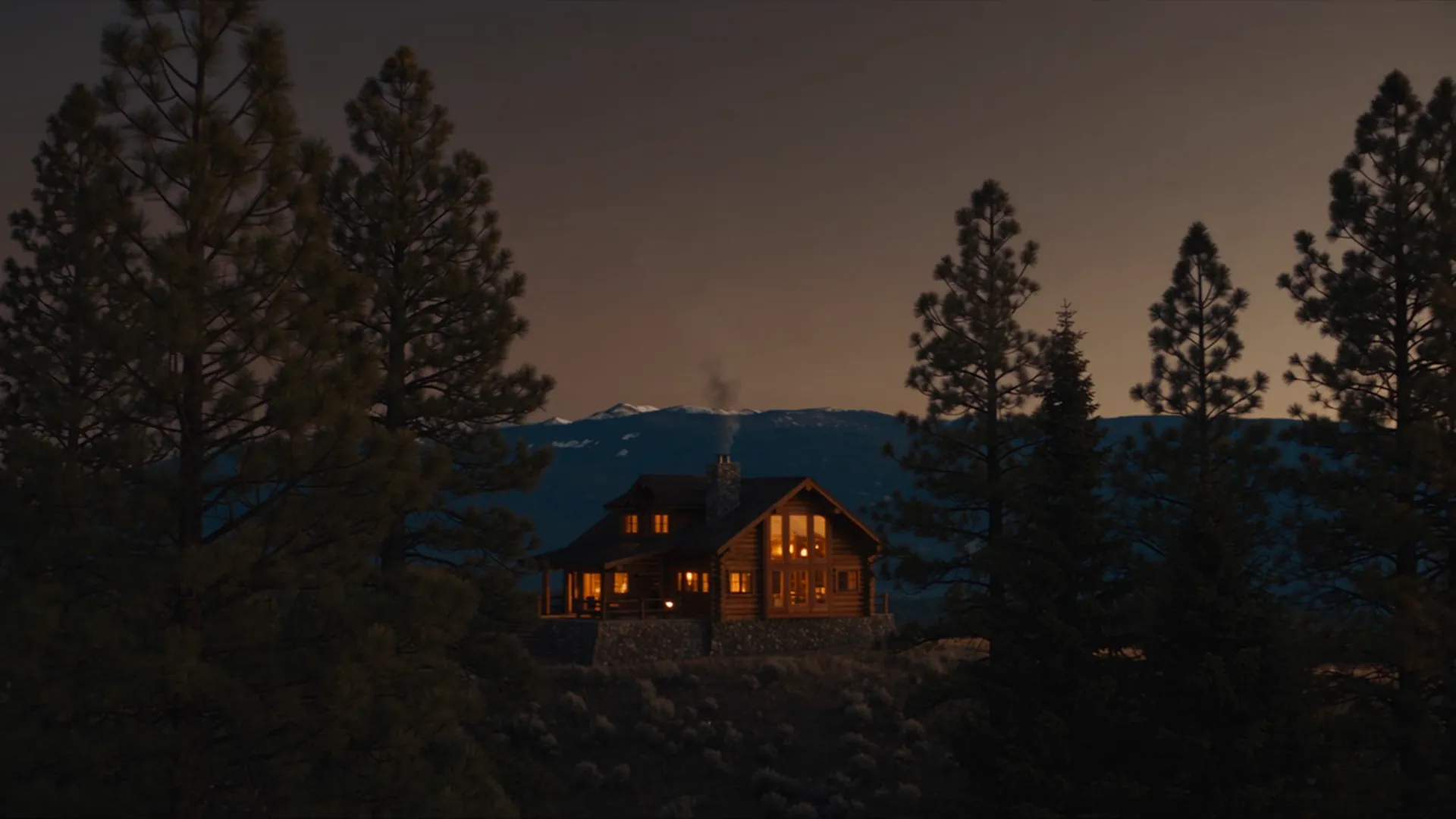



Are Dry Sinuses and Static Shock Taking Over Your Home This Fall?
If you are researching Humidifiers vs. ERVs: Balancing Indoor Air Quality as the Foothills Cool Down, you already know that autumn weather brings distinct physical changes to your living space. At Foothill Air Systems, we field countless calls every October from homeowners waking up with a scratchy throat, irritated nasal passages, and unexpected static shocks every time they touch a light switch. As mid-fall sets in and outdoor temperatures begin their seasonal drop, the atmosphere inside your house undergoes a drastic shift. The air feels noticeably thinner, and the comfort you enjoyed just a few weeks ago quickly evaporates.
Many homeowners assume this sudden dryness is just an unavoidable part of the season. Turning on your central heating system for the first time often makes stale air feel even more oppressive, effectively baking whatever little moisture remains in your rooms. When faced with these symptoms, the typical reaction is to guess at a solution—perhaps buying a few portable room humidifiers or opening windows during the warmer parts of the day. However, achieving true indoor air quality requires a much more strategic approach. The choice between actively adding moisture to your air or exchanging stale air for fresh air depends entirely on your home's physical architecture. Evaluating your house's structural tightness is the critical first step to making an informed, long-lasting decision.
The Physics of Fall Air Inside Your Home
To understand why your home feels so uncomfortable, you have to look at how temperature and moisture interact. Cold outdoor air holds significantly less moisture than warm air. When that chilly mid-fall air enters your home and is heated by your furnace or heat pump, its relative humidity plummets. This thirsty, heated air then acts like a sponge, pulling moisture from everything it touches—including hardwood floors, wooden furniture, houseplants, and your own skin. This is exactly why static electricity spikes and your sinuses feel perpetually dry as soon as the heating season begins.
The Technical Divide: Adding Moisture vs. Recovering Energy
Before deciding which system will solve your mid-fall discomfort, it is essential to understand the mechanical differences between the two leading technologies. While both aim to improve the air you breathe, they operate on completely different principles. Bypassing basic definitions and looking at the technical mechanics will help clarify why installing an indoor air quality system is never a one-size-fits-all process.
How Whole-Home Humidifiers Work
Whole-home humidifiers are active moisture-delivery systems. They are plumbed directly into your home's water supply and integrated into your HVAC ductwork. When your heating system runs, the humidifier introduces water vapor directly into the airflow, distributing it evenly throughout every room. This is a targeted, aggressive approach to combating severe dryness. If your home cannot retain moisture naturally, a humidifier forces the issue, ensuring the air remains comfortable and properly hydrated.
The Mechanics of Energy Recovery Ventilators (ERVs)
Energy Recovery Ventilators (ERVs), on the other hand, are sophisticated air exchange systems. Their primary job is to exhaust stale, polluted indoor air to the outside while simultaneously pulling in fresh outdoor air. What makes an ERV remarkable is its specialized enthalpy core. As the two air streams pass through this core without physically mixing, the ERV transfers up to 70% to 80% of the moisture (latent heat) and thermal energy (sensible heat) from the outgoing air to the incoming air.
Unlike basic ventilation fans that just dump your conditioned air outside, ERVs recover your existing indoor moisture rather than just bringing in bone-dry outside air. This makes them highly efficient, but there is a catch: an ERV relies entirely on the moisture that is already inside your home. It does not actively generate new water vapor. This fundamental difference is why the decision between the two systems heavily depends on whether you live in an older drafty build versus tightly sealed post-2000s construction.
Why Older, Drafty Foothill Homes Demand Active Humidification
If you live in a historic property or an older build in the Grass Valley area, our technicians will be the first to tell you that your home's physical structure plays a massive role in your indoor comfort. Older homes were built with different standards and materials, often resulting in what building scientists call a "loose envelope." This means there are countless tiny gaps around windows, doors, baseboards, attic hatches, and foundation sills.
The Challenge of Envelope Leaks
In older, drafty homes, the building suffers from significant envelope leaks. These gaps allow the conditioned, humidified air you pay to create to escape rapidly into the Sierra Foothills atmosphere. This process is accelerated by the "stack effect"—warm indoor air rises and escapes through the attic, creating a negative pressure zone at the bottom of the house that aggressively sucks in cold, dry outdoor air through the basement or crawlspace.
Because of this constant infiltration of dry air, passive moisture recovery is entirely insufficient. An ERV cannot recover moisture if the house cannot physically hold onto its conditioned air in the first place. The home is essentially a leaky bucket. To reach the Environmental Protection Agency (EPA) recommended indoor humidity levels of 30% to 50%, active moisture addition becomes an absolute necessity. A whole-home humidifier continuously replenishes the water vapor that is lost through the drafts. Identifying and measuring these leaks through indoor air quality testing is a critical step before investing in any system, ensuring you understand exactly how much moisture your home is losing every hour.
The Tightly Sealed Home Dilemma: When an ERV is Essential
The contrast between older drafty builds and tightly sealed post-2000s construction could not be starker. Over the last few decades, building codes have heavily prioritized energy efficiency. Modern homes in the foothills are wrapped in advanced house wraps, sealed with spray foam insulation, and fitted with double or triple-pane windows. The goal is to create an airtight thermal envelope that prevents heated or cooled air from escaping.
The Hidden Cost of High Efficiency
While this airtight construction is excellent for lowering your monthly energy bills, our installation crews frequently see it create a significant indoor air quality dilemma. Tightly sealed homes trap everything inside. Everyday activities like cooking, showering, cleaning with chemicals, and even breathing generate a massive amount of moisture, volatile organic compounds (VOCs), and odors. Without natural drafts to clear it out, this stale air simply recirculates through your ductwork. Furthermore, modern homes are highly susceptible to trapping external pollutants that manage to get inside, making wildfire smoke and indoor air filtration a major concern for tight builds.
If you add a whole-home humidifier to a tightly sealed home that already traps daily living moisture, you risk pushing the humidity well past the 50% mark. This excess condensation can lead to moisture building up on windows and inside wall cavities. Instead of needing more moisture, these modern homes desperately need to breathe. An ERV is essential in this scenario. It provides dedicated, filtered mechanical ventilation, exhausting the stale, trapped pollutants while recovering the home's baseline thermal and moisture balance. It gives a tightly sealed house a set of lungs without sacrificing its energy efficiency.
Head-to-Head Comparison: Matching the Solution to Your Home's Envelope
Understanding the architectural differences of your property is the key to solving fall indoor air quality issues. Making the wrong choice can lead to wasted energy, continued discomfort, or even structural moisture damage. To help clarify the decision-making process, we have broken down the ideal use cases, symptom resolutions, and efficiency impacts of both systems based on the comparison of older drafty builds versus tightly sealed post-2000s construction.
| Consideration Factor | Whole-Home Humidifier | Energy Recovery Ventilator (ERV) |
|---|---|---|
| Ideal Home Tightness | Older, drafty homes with loose building envelopes that cannot retain conditioned air. | Tightly sealed, modern construction (post-2000s) that traps air inside. |
| Primary Symptom Resolved | Severe dryness, chronic static shock, dry sinuses, and shrinking woodwork. | Stale air, lingering cooking odors, trapped VOCs, and stuffy environments. |
| Moisture Mechanism | Actively generates and introduces new water vapor into the HVAC airflow. | Passively recovers up to 80% of existing indoor moisture during air exchange. |
| Energy Efficiency Impact | Requires water usage and slight energy draw, but allows you to feel warmer at lower thermostat settings. | Highly efficient; minimizes the thermal loss typically associated with bringing in fresh outdoor air. |
| Ventilation Capability | None. Recirculates existing indoor air while adding moisture. | Excellent. Constantly replaces stale indoor air with filtered, fresh outdoor air. |
The Hybrid Edge Case
While the table above covers the vast majority of homes, our team occasionally encounters edge cases where a hybrid approach is necessary. For example, a home that has been partially retrofitted with new windows but still has an unsealed attic might experience both stale air in certain rooms and rapid moisture loss overall. In these highly specific situations, running both an ERV for fresh air exchange and a finely tuned humidifier to maintain exact moisture baselines can provide the ultimate comfort control.

Navigating Elevation and Fall Microclimates in Grass Valley
When assessing indoor air quality, our team at Foothill Air Systems knows you cannot separate the home from its surrounding geography. Having worked extensively throughout the region, we see firsthand how Grass Valley's approximate 2,400-foot elevation creates unique microclimates that behave entirely differently than standard valley weather. The strategies that work for homes at sea level often fall short in the mountains and foothills.
The Impact of Fall Inversions and Humidity Drops
One of the most significant regional challenges is the sharp drop in outdoor humidity during October. As the mid-fall weather sets in, the ambient moisture in the foothill air plummets. Standard winter IAQ advice often assumes a gradual cooling process, but the foothill climate can shift rapidly, instantly stripping your home of its comfort. Furthermore, the topography of the region frequently leads to fall temperature inversions. Cold, dense air settles into the valleys and basins at night, trapping outdoor pollutants—like wood smoke and vehicle exhaust—close to the ground. If your home is tightly sealed, these inversions can also trap your internally generated pollutants, making mechanical ventilation crucial.
This is why an 'envelope-first' approach is absolutely vital. Evaluating the physical structure, elevation, tightness, and era of mountain and foothill homes before recommending a solution ensures that the equipment actually matches the environment. Slapping a generic humidifier on a tightly sealed home during an inversion will only compound your air quality issues. By tailoring indoor air quality solutions in Grass Valley to both the specific microclimate and the home's architecture, you ensure long-term comfort, structural protection, and optimal HVAC efficiency.
Frequently Asked Questions About Fall IAQ Solutions
Does an ERV replace a humidifier?
The short answer is no, an ERV is not a direct replacement for a humidifier. An ERV recovers existing moisture from the air already inside your home, but it does not actively add new water vapor to the environment. In extremely dry, older, or drafty homes that constantly lose moisture to the outside, an ERV simply will not have enough internal humidity to recover. In those cases, the active moisture generation of a whole-home humidifier is still required.
Can you run a humidifier and an ERV together?
Yes, these two systems can operate in tandem in certain climates and home setups. While they serve different primary functions, they can complement each other beautifully. The ERV provides a constant supply of fresh, filtered outdoor air and exhausts stale indoor pollutants. Meanwhile, the whole-home humidifier monitors the exact moisture levels and actively injects water vapor whenever the ambient humidity drops below your target setpoint, ensuring precise control.
How do ERVs handle dry winter air?
ERVs are designed to mitigate the harshness of dry winter air through their enthalpy cores. As the system pushes warm, stale indoor air outside, the core transfers the moisture from that outgoing air into the dry, incoming outdoor air stream. This process helps maintain your home's baseline humidity significantly better than standard mechanical ventilation, though its effectiveness still relies heavily on the presence of existing indoor moisture.
What is the best indoor air quality system for dry climates?
The best system depends entirely on your home's building envelope. For older, drafty builds that leak conditioned air, a whole-home humidifier is usually the best choice to combat severe dryness. Conversely, for tightly sealed post-2000s construction that traps stale air and odors, an ERV excels by providing essential fresh air ventilation while preserving the home's internal thermal and moisture balance.
How often do these systems need maintenance?
Both systems require dedicated seasonal inspection to function properly. Humidifier water panels (pads) typically need to be replaced annually, as mineral scale buildup will eventually block airflow and reduce moisture output. ERV cores and filters also need to be inspected and cleaned regularly to ensure optimal heat and moisture transfer. Scheduling pre-winter maintenance in mid-fall ensures your equipment is ready to perform during the coldest, driest months of the year.
Make an Informed IAQ Decision Before Winter Arrives
As the temperatures continue to drop across the Grass Valley and Sierra Foothills region, the air inside your house will only become more challenging to manage. The physical tightness of your house ultimately dictates whether you need the active moisture addition of a humidifier or the fresh air exchange of an energy recovery ventilator. Guessing at the solution without understanding your building's envelope can lead to inefficient HVAC operation, wasted energy, and exacerbated air quality issues.
You do not have to figure this out through trial and error. Our experts at Foothill Air Systems provide professional assessments that take all the guesswork out of the equation. By evaluating your ductwork, testing your home's tightness, and understanding your specific comfort challenges, our team can help you weigh your options. We will provide a definitive framework so you can find the perfect fit for your specific home, ensuring you enjoy clean, comfortable, and perfectly balanced air all winter long.