

Nevada County · Lower foothills
HVAC in Penn Valley, CA
Heating and cooling for Penn Valley homes on acreage, where propane heat makes heat pumps and dual-fuel systems worth pricing.
Working in Penn Valley
A genuine two-season load
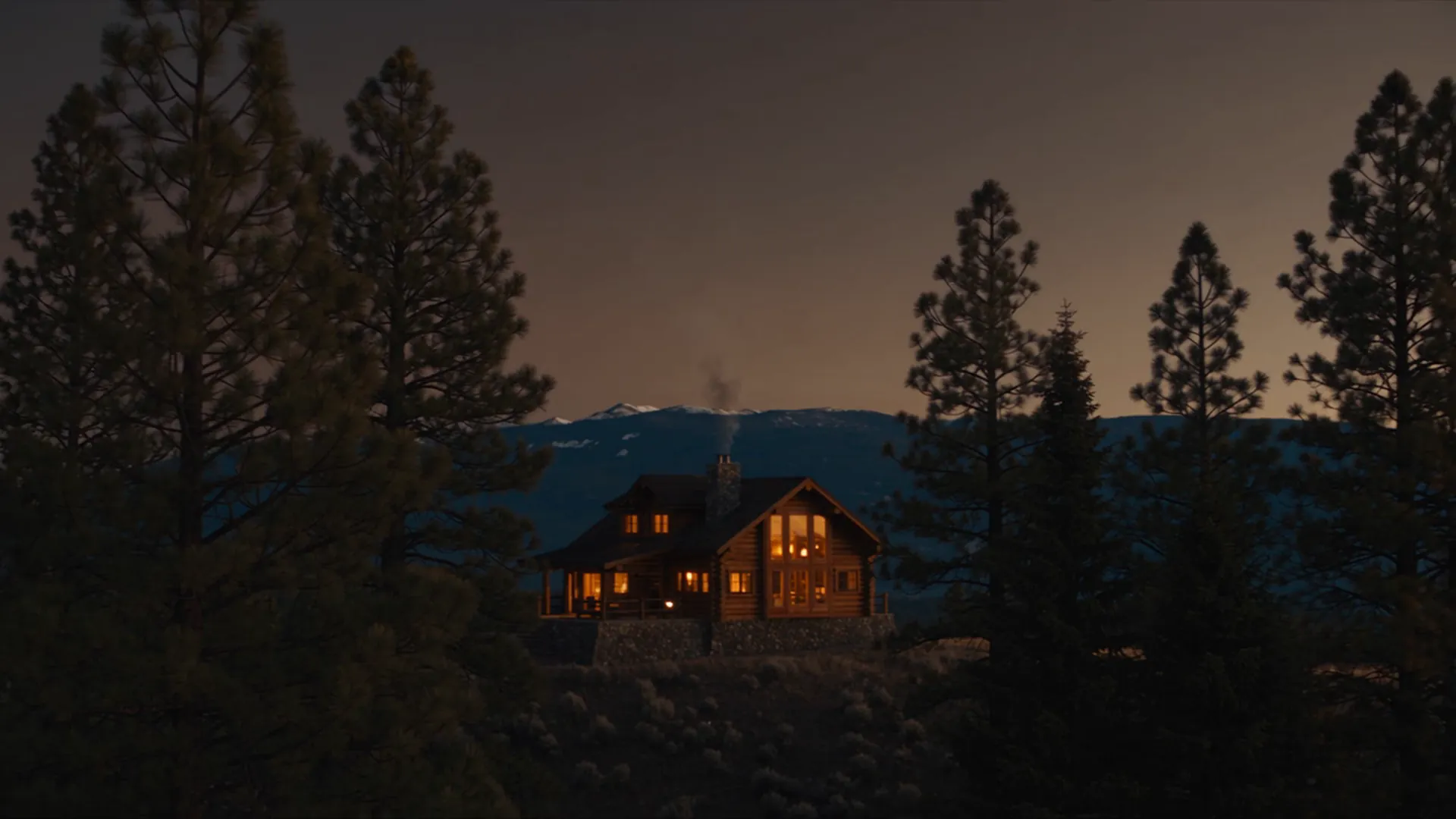
At 1,608 feet, Penn Valley carries a real heating season and a real cooling season, which makes a single system that does both efficiently the obvious answer. Many properties at this elevation are on propane rather than natural gas, and that materially changes the economics: displacing propane heating hours with a heat pump has a direct, calculable effect on operating cost. This is prime territory for heat pump and dual-fuel conversions.
What we see in Penn Valley
Lower and warmer than the ridge towns, Penn Valley sees a heavier cooling load alongside its heating season, and many properties sit on acreage with propane rather than natural gas. That combination makes heat pumps and dual-fuel conversions especially worth pricing out here, since displacing propane heating hours has a direct effect on operating cost.
Every recommendation we make here starts the same way it does everywhere: a load calculation using this elevation's design temperature, and a static-pressure reading to confirm the duct system can actually carry the airflow. Those two measurements are what separate a system that performs from one that merely runs.
Systems that suit Penn Valley
Heat Pumps
Cold-climate and dual-fuel systems for homes at elevation.
Learn moreHVAC Replacement
Furnace, AC and heat pump replacement sized by a load calculation.
Learn moreHVAC Repair
No-heat and no-cool repair for furnaces, heat pumps and AC.
Learn moreIndoor Air Quality
Whole-home air filtration for wildfire smoke, dust and dry air.
Learn moreMitsubishi Systems Day & Night Systems Radiant & Hydronic Heating Commercial HVAC
In depth
HVAC service in Penn Valley, CA
What HVAC challenges do Penn Valley properties face?
Penn Valley properties face intense sun, heavy airborne dust, and sprawling layouts that cause uneven temperatures, dust-coated outdoor units, and high utility bills from aging rural heating systems. Foothill Air Systems provides climate solutions throughout Penn Valley.
What services does Foothill Air Systems offer in Penn Valley?
In Penn Valley, Foothill Air Systems offers HVAC repair and replacement, whole-home heat pumps, Mitsubishi ductless and mini-split systems, Day & Night equipment, indoor air quality, radiant floor heating, and commercial climate systems.
General Mechanical Solutions
Penn Valley mechanical solutions address sudden mechanical breakdowns, aging equipment performance losses, and complete comfort failures across residential living spaces.
- HVAC repair in Penn Valley
- HVAC replacement in Penn Valley
- All HVAC repair services
- All HVAC replacement services
Whole-Home Heat Pump Technology
Penn Valley heat pump service resolves year-round heating and cooling inefficiencies, poor temperature consistency, and the high operating expenses associated with rural fuel sources.
- Heat pump installation in Penn Valley
- Heat pump repair in Penn Valley
- Heat pump maintenance
- All heat pump services
Mitsubishi Ductless & Mini-Split Systems
Penn Valley Mitsubishi ductless service cures persistent room temperature imbalances, un-ducted architectural additions, vaulted ceilings, and precision multi-zone comfort needs.
Day & Night High-Efficiency Configurations
Penn Valley Day & Night service solves aging central ducted distribution problems through dependable, rugged equipment engineered to withstand demanding foothill conditions.
Advanced Indoor Air Quality Defense
Penn Valley indoor air quality service treats persistent airborne dust, pollen circulation, seasonal vegetative debris, and fine smoke intrusion inside foothill properties.
- Indoor air quality installation in Penn Valley
- Indoor air quality testing
- All indoor air quality services
Radiant & Hydronic Floor Heating
Penn Valley radiant and hydronic heating service restores consistent, quiet, floor-level warmth and resolves thermal distribution problems in custom residential layouts.
- Radiant & hydronic heating repair in Penn Valley
- Radiant & hydronic heating installation
- Radiant & hydronic heating maintenance
- All radiant & hydronic heating services
Commercial Building Climate Systems
Penn Valley commercial HVAC service handles continuous-duty mechanical strain, commercial ventilation codes, and climate control stability for local business facilities.
- Commercial HVAC repair
- Commercial HVAC installation
- Commercial HVAC maintenance
- All commercial HVAC services
How do heat and dust affect HVAC systems in Penn Valley?
Penn Valley's arid, sun-drenched microclimate, including homes along Spenceville Road, Indian Springs Road, Highway 20, and in Lake Wildwood, generates red-clay dirt, granite dust, and pollen that blanket outdoor coils and overwork compressors.
Penn Valley sits in a unique geographic transition zone within western Nevada County, and its properties experience significant daily thermal swings. Fine dirt, oak pollen, and dry pasture debris stay suspended in the air through much of the dry season.
When outdoor condensing units draw in Penn Valley's continuous particulate stream, the microscopic fins of the heat exchanger rapidly accumulate a dense insulating blanket of grime. This buildup drastically chokes off external air volume, preventing the refrigeration cycle from shedding heat absorbed from the living space. As head pressures climb, the internal compressor motor must work against severe thermal resistance, consuming excessive electrical wattage and subjecting delicate internal valves to extreme operating temperatures.
Structural Airflow Complications in Acreage Properties
The architectural landscape of Penn Valley presents distinct engineering hurdles that standard residential systems struggle to accommodate without precision balancing. Expansive single-story ranch homes, manufactured houses set on acreage parcels, and custom equestrian estates often feature elongated duct runs that traverse unconditioned attic spaces or exposed crawlspaces. As conditioned air travels forty or fifty feet through hot attic chases during the afternoon, heat gain erodes cooling efficiency before the air ever reaches a register.
Vaulted tongue-and-groove ceilings, open-concept great rooms, and broad southwest-facing windows further compound these distribution issues by creating dramatic vertical thermal stratification. Warmer air naturally pools in the upper envelope of high ceilings, while radiant glass loads overwhelm traditional single-zone thermostats located in central interior hallways. This dynamic leaves remote master suites, detached workshops, and bonus rooms uncomfortably hot while central living rooms remain drafty, leading homeowners to continuously drop the thermostat setpoint and drive up runtime hours.
Rural Energy Dynamics and Unsealed Envelopes
Outlying parcels throughout western Nevada County frequently operate beyond the reach of municipal natural gas lines, relying heavily on delivered liquid propane or traditional electrical strip heat to maintain winter comfort. Liquid propane furnaces operating in older, unsealed homes can lead to exorbitant utility expenditures during prolonged cold snaps when overnight foothill temperatures drop toward freezing. Upgrading these properties requires calculating true thermal heat loss and matching the home to variable-capacity inverter equipment that extracts heat efficiently even when ambient air temperatures plummet.
Furthermore, rural foothill properties routinely contend with particulate penetration from surrounding brush, agricultural activity, and regional smoke events that challenge building envelopes. In sprawling homes with ductwork routed through vented crawlspaces, negative return air pressure can pull subterranean moisture, fine soil dust, and biological contaminants directly into the airstream. Without robust whole-home filtration media engineered with adequate surface area and low static pressure resistance, indoor blower motors endure high mechanical strain that degrades airflow output and damages internal components.
Microclimates Between the Valley Floor and Elevated Ridges
The mechanical challenges in Penn Valley differ markedly from higher-elevation communities like Grass Valley or Nevada City. As you descend westward along Highway 20 toward Rough and Ready and into the valley floor, ambient summer temperatures regularly climb several degrees higher, extending the duration of peak cooling runtime across the mid-afternoon. This prolonged heat exposure means outdoor equipment experiences minimal operational relief, requiring meticulously calculated heat gain assessments rather than rough square-footage estimates.
At the same time, nighttime radiational cooling across open valley pastureland creates substantial diurnal temperature swings that test system adaptability. A home may require substantial afternoon cooling to offset radiant roof heat, followed by rapid early morning heating as cool air drains down the basin toward the Yuba River corridor. Mechanical equipment installed in these environments must possess wide operational modulation ranges to maintain steady indoor humidity and temperature levels without continuously cycling on and off.
How does Foothill Air Systems approach Penn Valley homes?
Foothill Air Systems approaches Penn Valley homes with close attention to local construction, terrain, microclimates, electrical utility infrastructure, propane line pressures, and any community-specific requirements that apply to your property.
Every installation and diagnostic evaluation is approached with meticulous technical craftsmanship, focusing on precision static pressure measurements, exact refrigerant charging, and balanced duct distribution. Whether configuring multi-zone inverter technology, integrating comprehensive particulate filtration, or engineering hydronic floor circuits, we eliminate persistent comfort issues at their root cause. Our commitment to integrity and technical excellence ensures that your mechanical investments provide durable, energy-efficient performance tailored directly to the foothill environment.
How do Penn Valley owners schedule an HVAC evaluation?
Penn Valley owners can schedule an appointment with our team or call Foothill Air Systems at (530) 212-0057 for a thorough evaluation of heating, cooling, or indoor air quality systems.
Whether your property needs a heat pump conversion to lower high propane costs, multi-zone ductless units to balance distant rooms, or whole-home filtration to reduce dust intrusion, Foothill Air Systems delivers solutions engineered for your floor plan.
Request service
HVAC service in Penn Valley
Tell us what your system is doing and we will confirm scheduling for Penn Valley and the surrounding area.
- Grass Valley, CA & Truckee/Tahoe
- Mon–Fri: 8AM–5PM
Sat: By Appointment
Send us the details
A technician reviews every request. No call centre.